Wheels & Rims
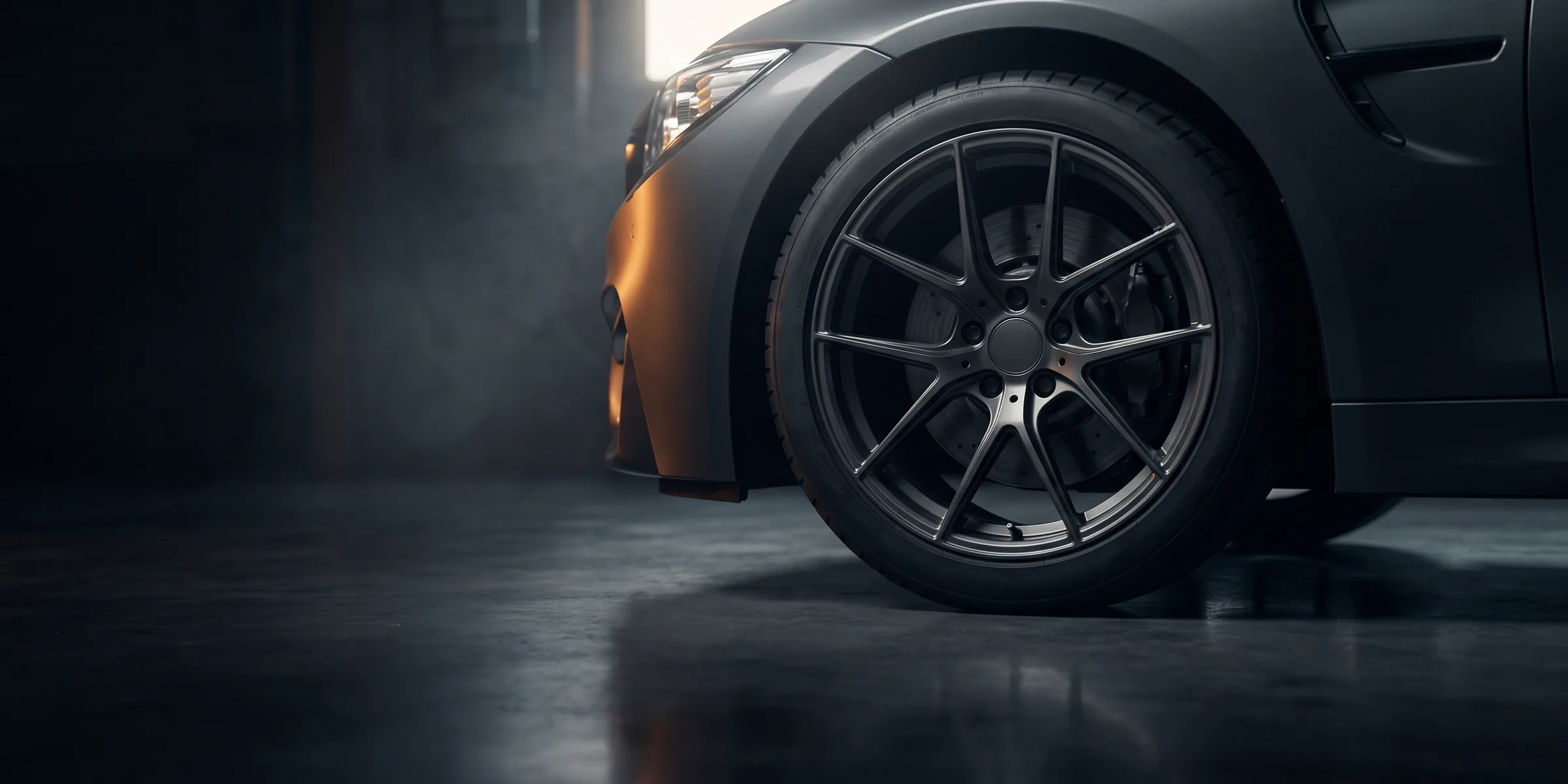
The look you're after, installed right. Alloy, steel and chrome - a selection in stock, plus anything we can order in. Sized, mounted and balanced so your new wheels drive as good as they look.
Find your fit
Tell us your vehicle and the look you want.
Send us your vehicle and what you're after, and your Surrey team will pull options and pricing that fit - then size, mount and balance them here. No pressure, and real answers from a real person.
Why buy wheels in Surrey
Wheels that fit, and drive right.
01
Sized to your vehicle
Correct diameter, width, offset and bolt pattern - so they clear, sit right and don't rub.
02
In stock & special order
A selection on the floor, plus alloy, steel and chrome we can order in.
03
Mounted & balanced right
Installed by the same Surrey team every day, so your new set drives smoothly from day one.
04
Winter-ready packages
Steel wheels with a winter set on their own rims - the fast, cost-smart seasonal swap.
Know your options
Six kinds of wheel, and what each is good at.
Almost every wheel is either steel or aluminum alloy. The other names you'll hear describe how an alloy wheel is made or finished. Here is what each one means for the way you drive.
Steel
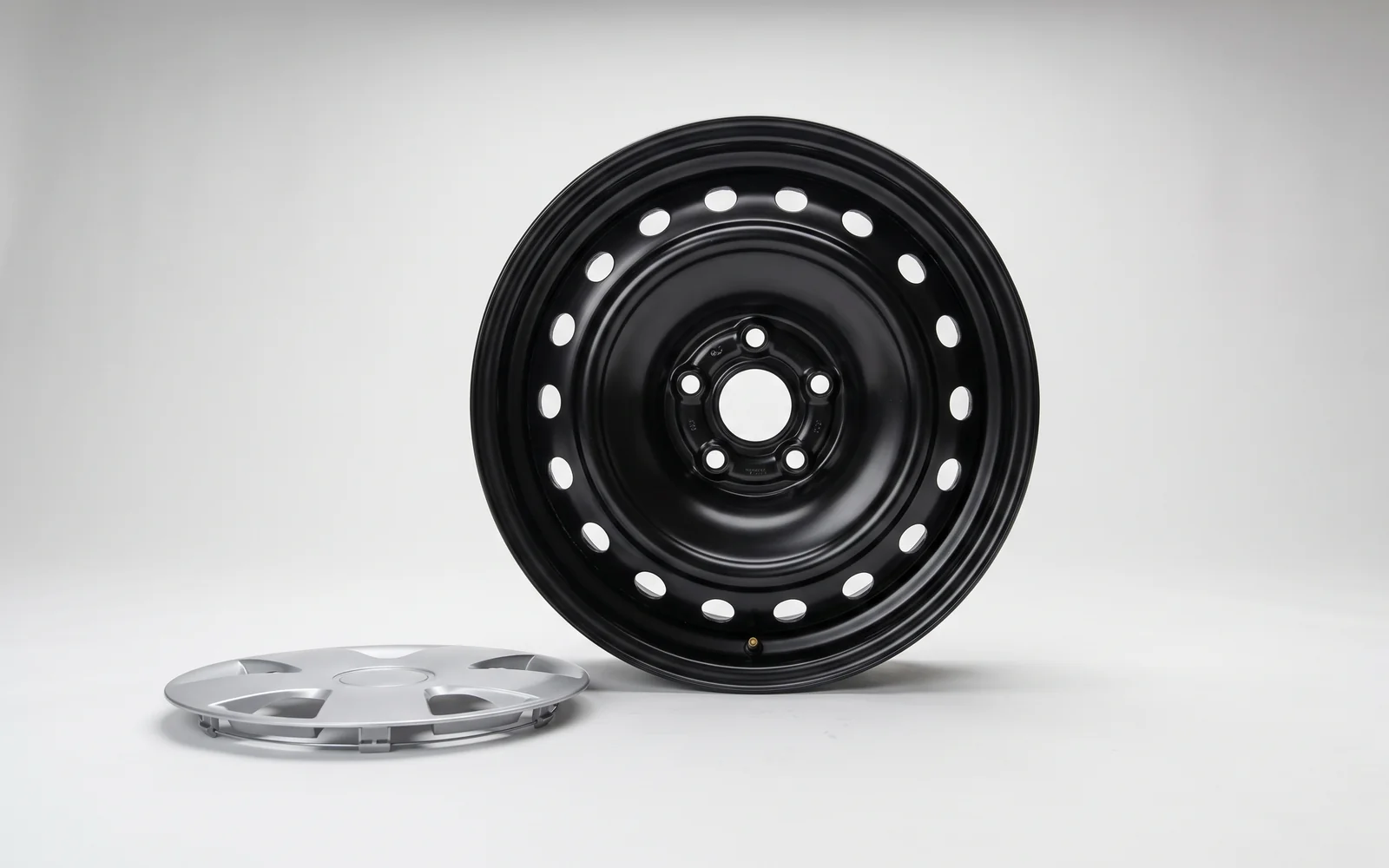
Heavy, tough and inexpensive. Steel tends to bend rather than crack, which is why it's the usual pick for a winter set. Plain looks, often under a hubcap.
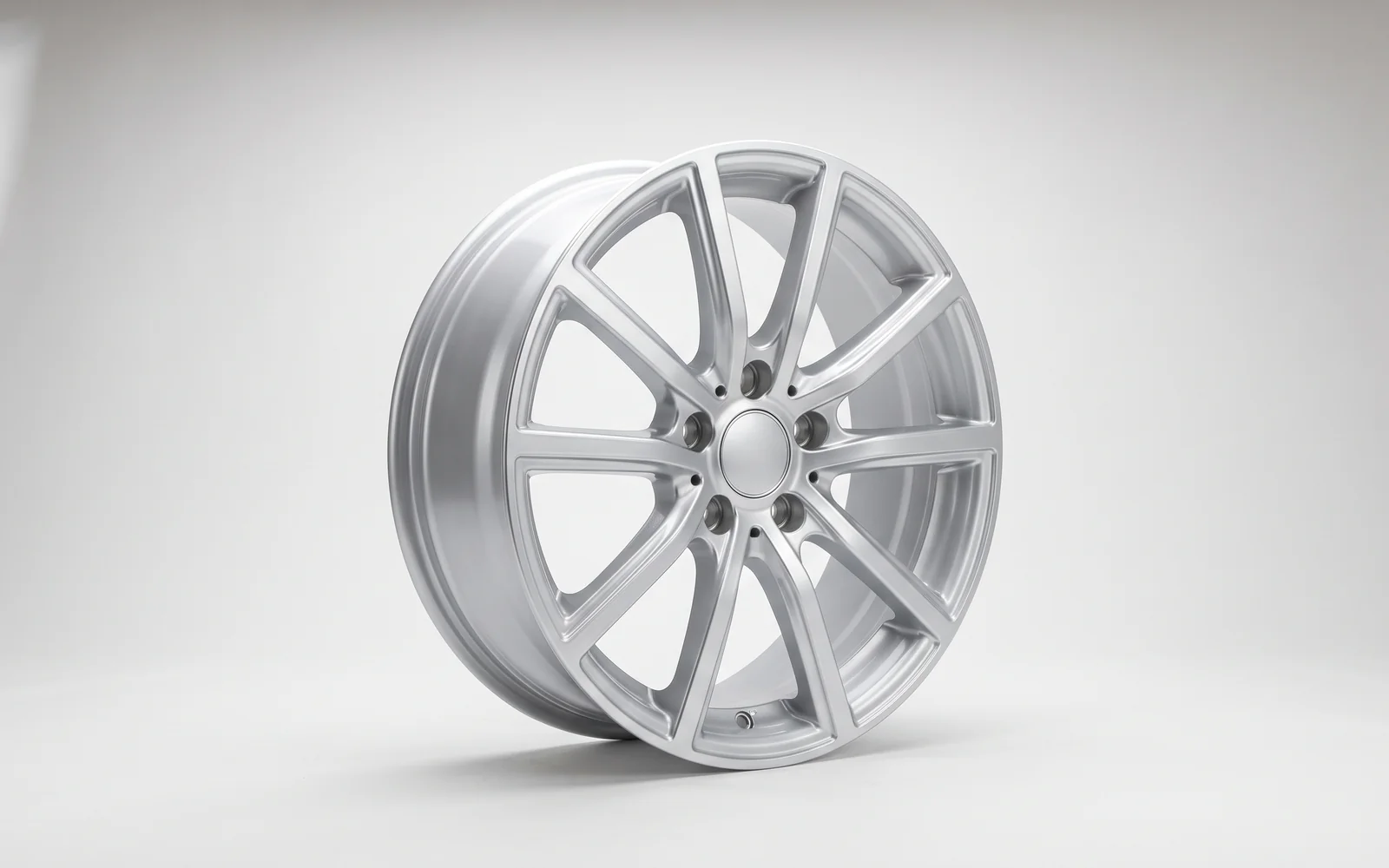
Alloy
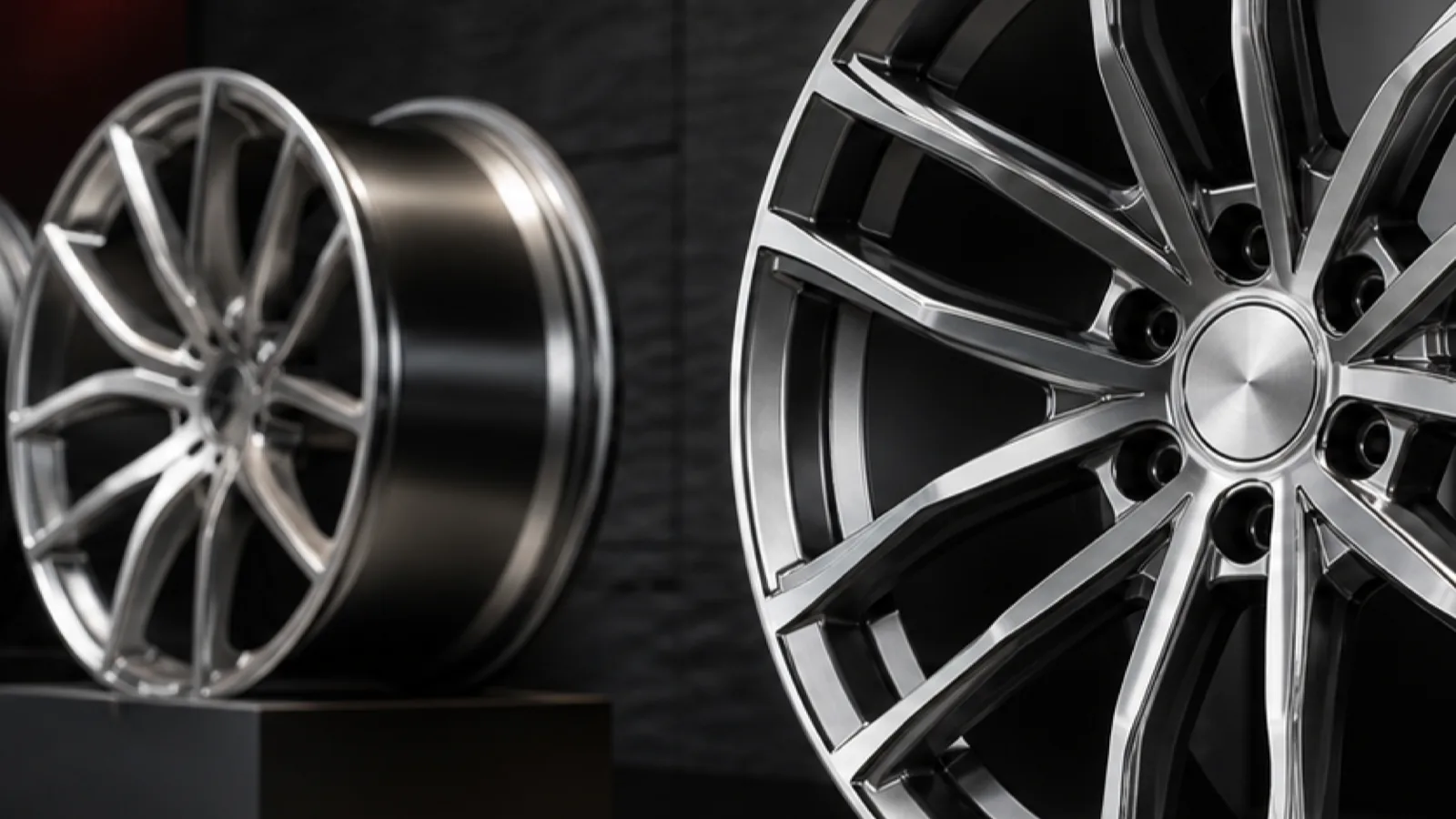
Aluminum blended with other metals. Lighter than steel, so the vehicle steers, brakes and accelerates a little better, and it comes in far more styles.
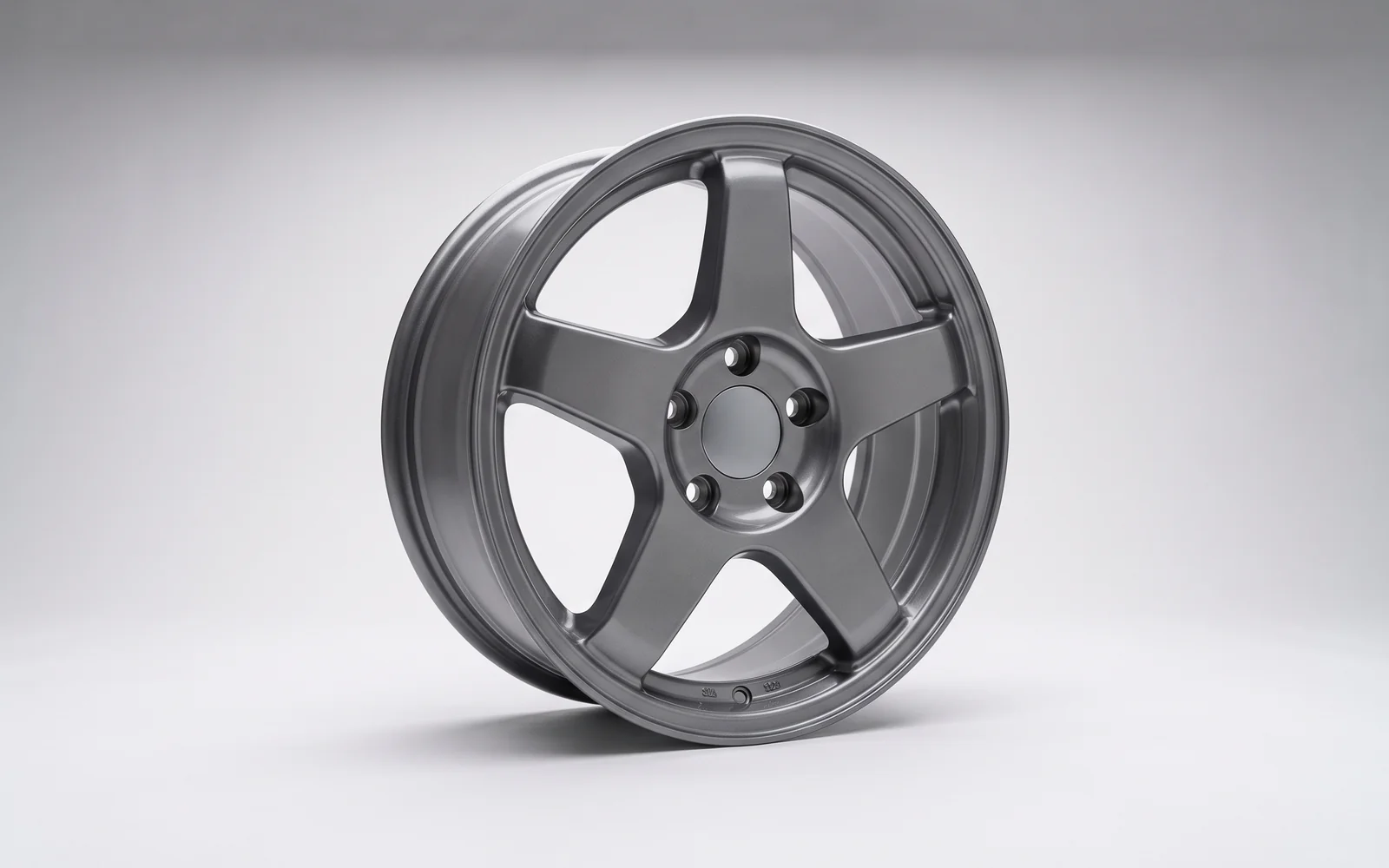
Cast
The most common way to make an alloy wheel: molten aluminum poured into a mould. Good value, and it covers most cars and trucks on the road.
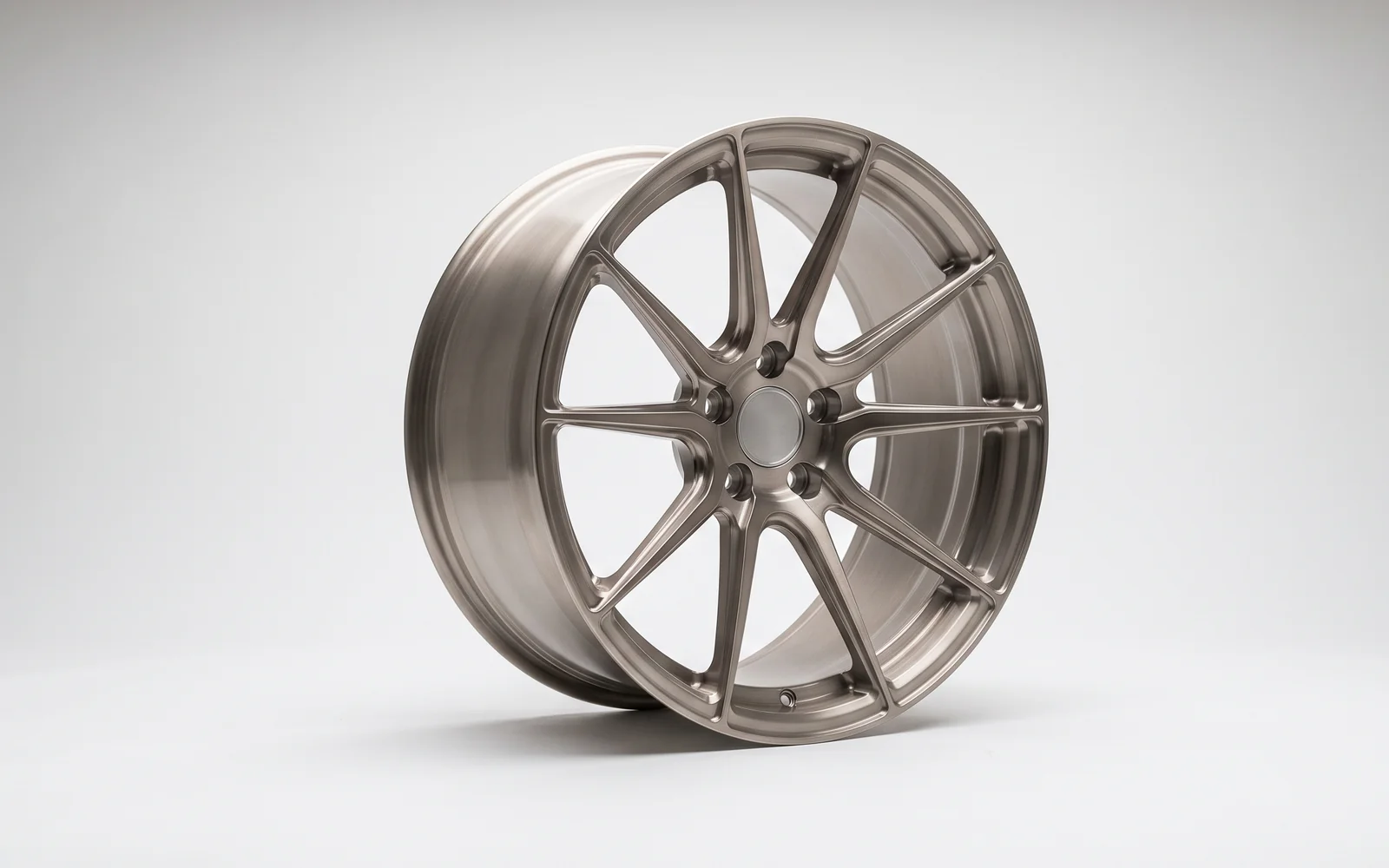
Forged
Pressed from a solid block of aluminum under heat and heavy pressure. The lightest and strongest option you can buy, with the price to match.
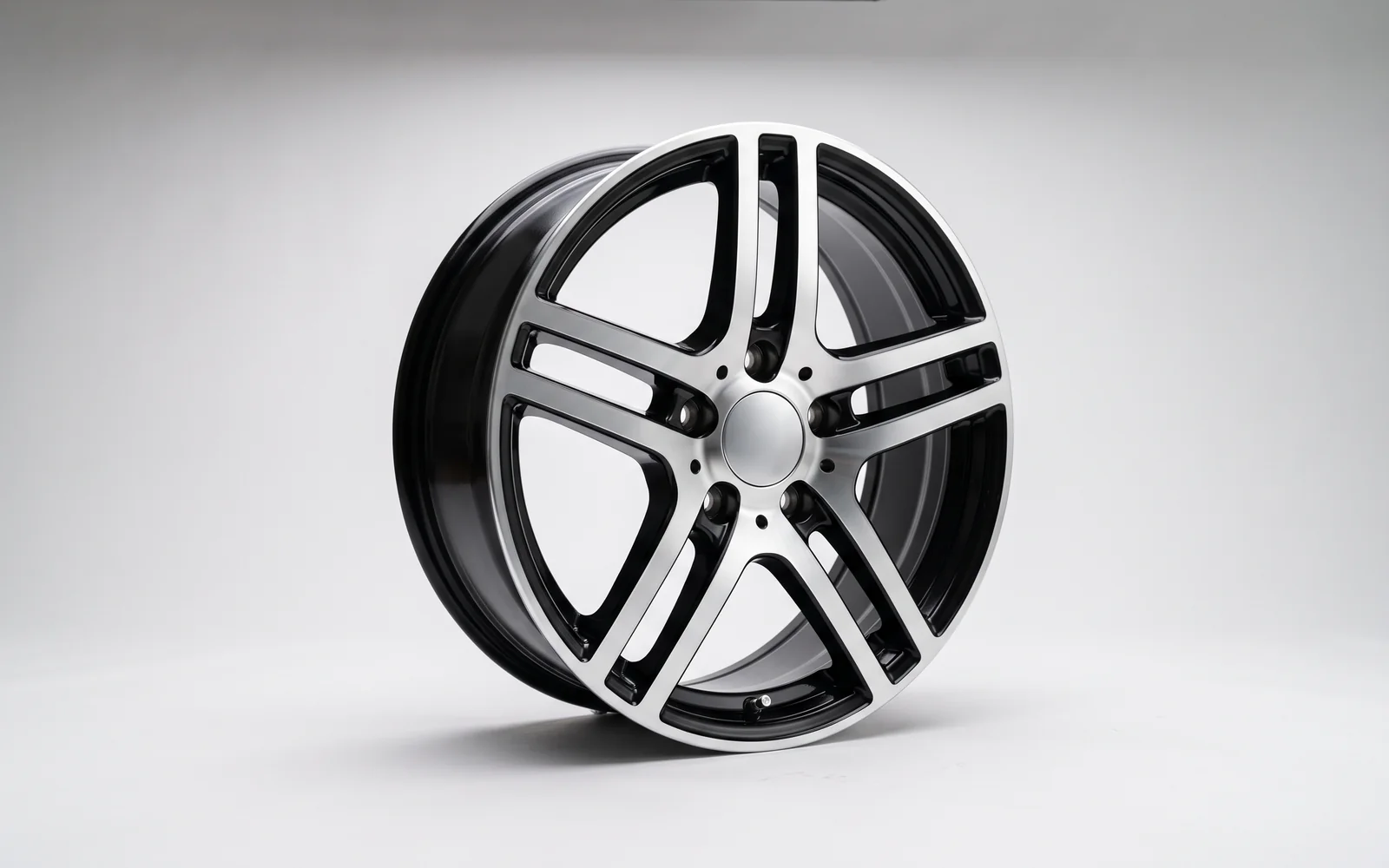
Machined
An alloy wheel with its face cut on a lathe for a bright, two-tone look. A clear coat protects the bare metal, so curb scrapes show and are worth fixing early.
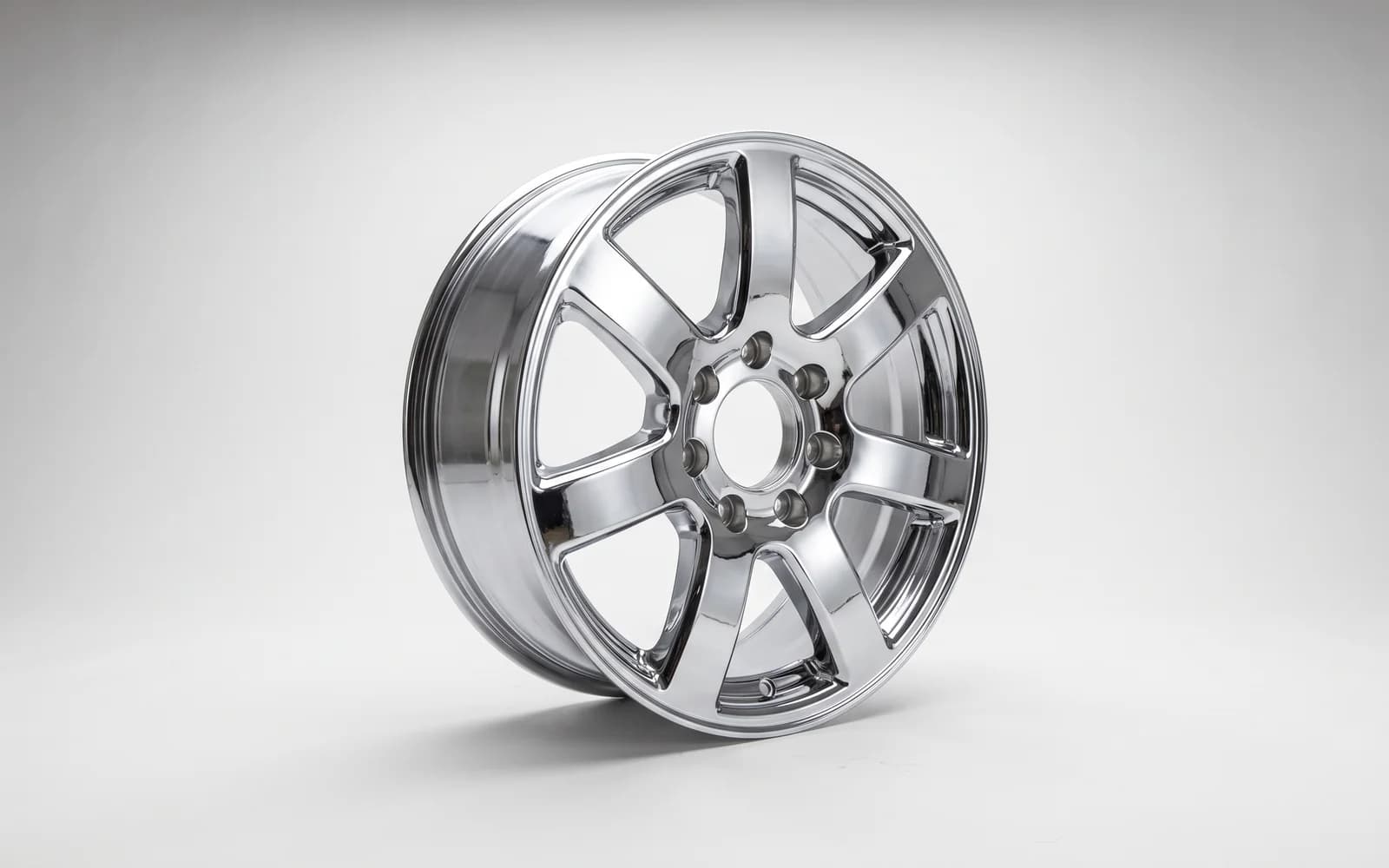
Chrome
A mirror finish over an alloy or steel wheel. All about the shine. Road salt is hard on it, so it wants a regular wash through the winter.
Before you choose
Three things to settle first.
Size
Bigger wheels look sharp but mean lower-profile tires and a firmer ride. Every vehicle has a safe range for wheel and tire size.
Weight
Lighter wheels help handling, braking and fuel use. Heavier ones cost less and shrug off more abuse. Pick the trade-off that suits you.
Where you drive
City and highway, snow, gravel or trail. Where you spend most of your time decides what holds up best.
Wheel questions
The fitment details, in plain words.
- What is a bolt pattern?
- The number of wheel studs and the size of the circle they sit on, written like 5x114.3. A new wheel has to match your vehicle's exactly.
- Does the width of the rim matter?
- Yes. Rim width has to suit the tire size, or the tire won't sit, handle or wear the way it should. We match the two as a set.
- What does offset mean?
- How far the mounting face sits from the centre of the wheel. It decides whether the wheel tucks in or pushes out, and whether it clears your brakes and suspension.
- Hub-centric or lug-centric?
- A hub-centric wheel is centred by a snug fit on the hub; a lug-centric wheel is centred by the lug nuts. Hub-centric runs smoothest, and many aftermarket wheels use a small centring ring to get the same fit.
Need rubber too?
Wheels and tires, sorted together.
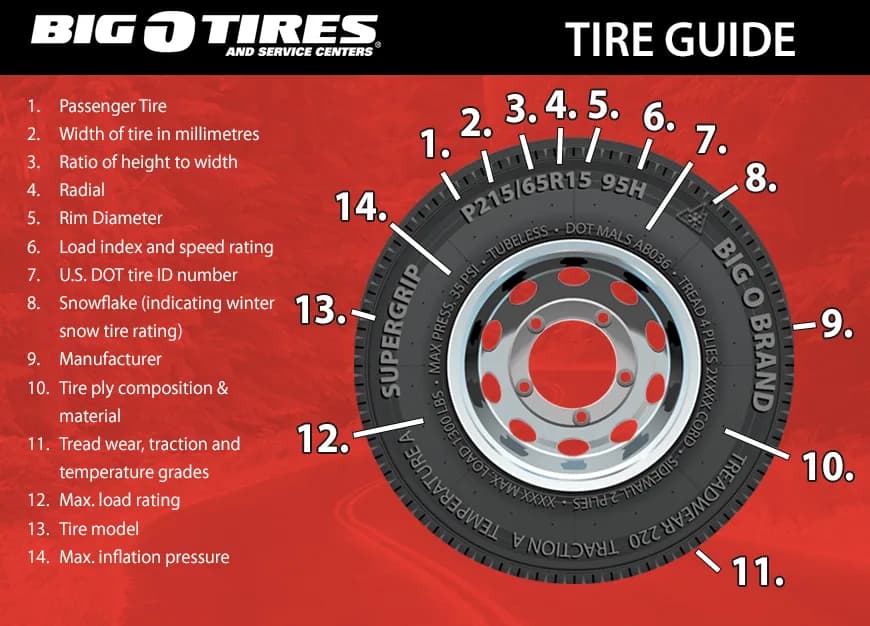
Doing a full wheel-and-tire package? Get your tire quote and we'll build the set as one - mounted, balanced and ready to roll.